
 Home
Home Explore
 Top
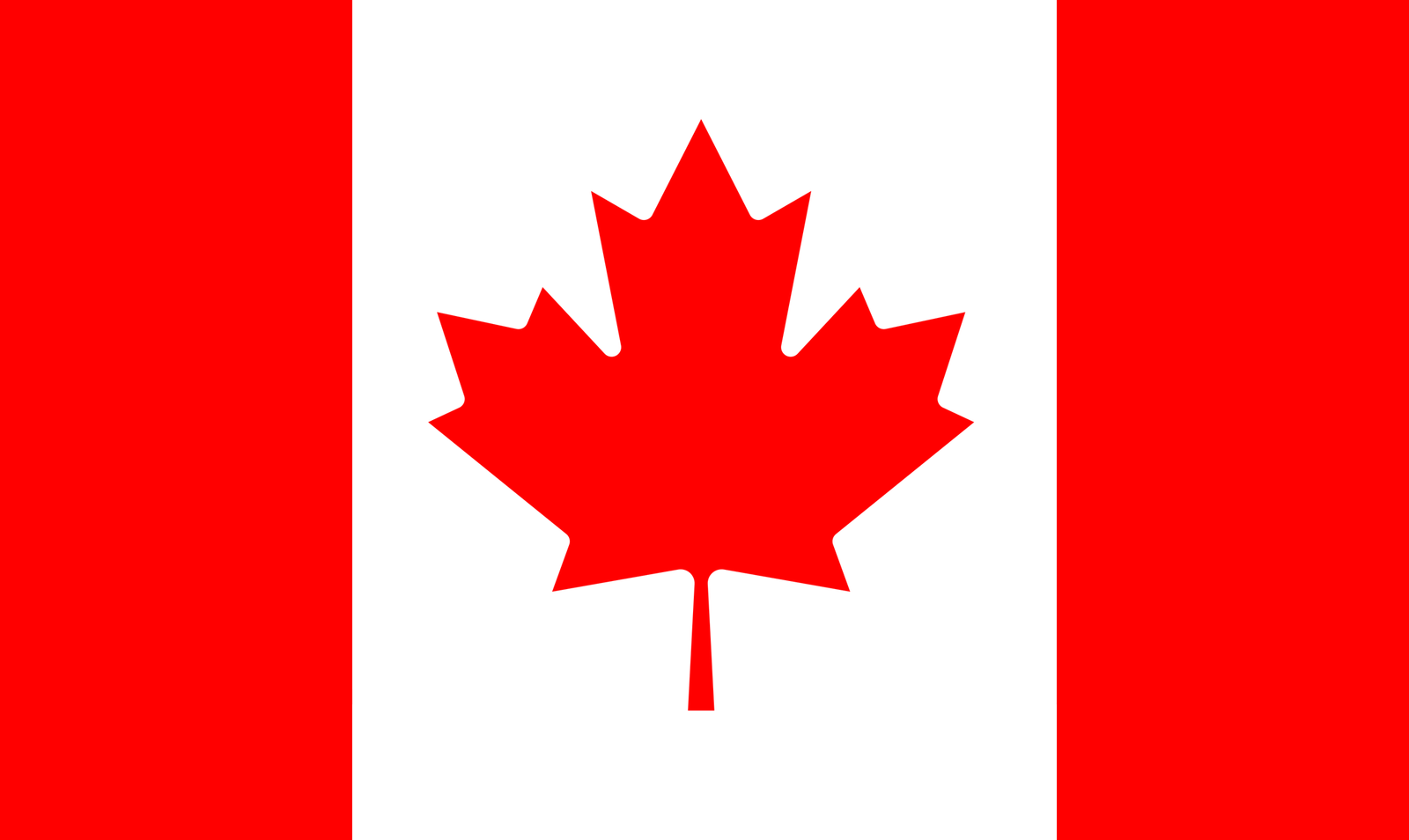
TopCanada flag
 ...
... ...
...
photos
1 days agoJUL-15-2026 03:50:15 PM
Image / Photo Attribute
File size 39 KB, Type png, Width 2100 px, Height 1252 px
Editing Status
original
 Report
Description
The national flag of Canada, universally known as the "Maple Leaf" (or l'Unifolié in French), is a striking, bold symbol of Canadian identity, unity, and the natural landscape. It is one of the world's most recognizable flags due to its clean, geometric design. Visual Design Three vertical bands: A central white square is flanked by two red bands on the left and right. The Canadian Pale: The middle white section is unique because it is a "pale," meaning it is exactly twice the width of each red band.11-pointed leaf: A large, stylized red maple leaf sits perfectly centered in the white square. Core Symbolism The Maple Leaf: Serving as Canada's primary national symbol since the 1700s, it represents the land, its people, and the natural environment. Red and White: Proclaimed as Canada's official national colors by King George V in 1921. Red was taken from Saint George's Cross, and white from the French royal emblem used since the reign of King Charles VII. Eleven Points: The 11 points on the leaf have no specific symbolic meaning; the number was chosen purely because wind-tunnel testing proved it was the most legible design when the flag flies in high winds. Historical Facts The Great Flag Debate: The flag was born out of a fierce national debate in 1964, initiated by Prime Minister Lester B. Pearson to replace the British Red Ensign. First Raised: The current design, created by George Stanley, was officially inaugurated on February 15, 1965, a date now celebrated annually as National Flag of Canada Day. Uniquely Canadian: It is one of the few national flags in the world that does not feature any traditional European heraldic elements, stripes, or stars
Likes List


